Building component 3
Safety Assurance
3.1 Safety performance monitoring and measurement
There are multiple way to measure safety performance and it will vary depending on SMS maturity. Below are examples;
- Consider safety reporting and how much, and the quality of reporting that has occurred.
- Reporting system and review of reports (Periodic summary from Reporting System)
- Carry out a Safety culture survey (safety_culture_survey)
- Review progress in achieving Safety Objectives, SPIs and SPTs
- Review of SMS against Audit criteria (Covered in the Compliance page)
- Analysis the Safety database for trends (Safety-Database)

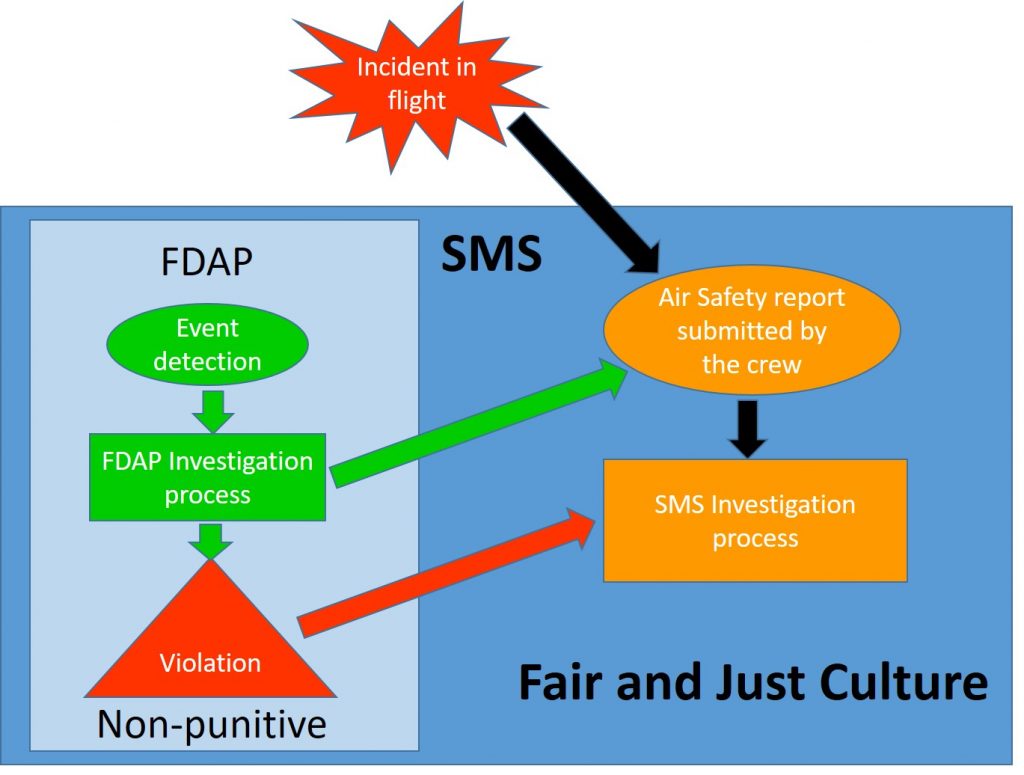
Internal safety investigation
This is not an element that would be implemented in the first instance . For this element management must;
- Consider all occurrences from safety reports
- Determine which can provide maximum lessons learned by an investigation – indicate on the occurrence report
- Appoint an investigator (and investigation team if applicable)
- Conduct the investigation in accordance with the SMS Manual (Appendix 15 has the Occurrence_Investigation form)
- Provide Safety communication to all personnel regarding the investigation.
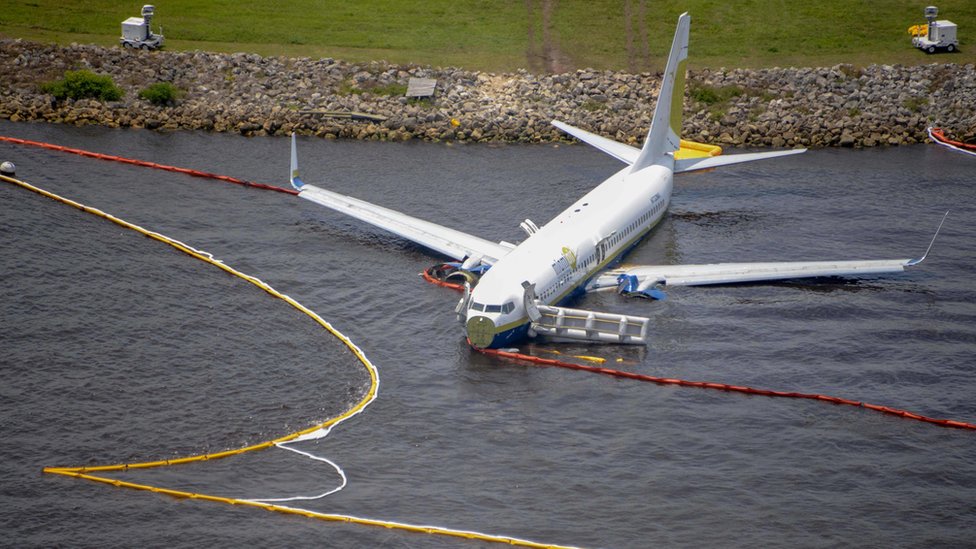
Management should source investigation training for personnel. There are multiple commercial entities offering 3-5 day courses.
Consideration must also be given to the Immediate and Routine reporting requirements to ATSB in accordance with Section 18 – Transport Safety Investigations Act.
3.3 Management of change
As detailed in the SMS Components and Elements section of this website, change in an organisation can create hazards and potentially compromise safety.
For this element management must;
- Identify all events that would represent significant change, requiring a management of change process
- Appoint a project manager – per change
- Follow the management of change process detailed in the SMS Manual
3.4 Continuous improvement
Continuous improvement is a fundamental of SMS. This element will be largely reactive to other elements.
Examples of continuous improvement include:
- Changes to the SMS manual after review,
- Updates to Safety Objectives, SPIs or SPTs from management reviews
- Procedural change as a result of safety report or investigation,
- Trends and required changes identified from safety reports or FDAP,
- Outcomes and actions from risk assessments and Safety cases
- Outcomes and actions from safety meetings
- Outcomes and actions from audits
- Safety promotion initiatives
- Improvements made to training as a result of feedback
- And many others
When considering continuous improvement of the SMS, the following Continuous_Improvement_review_form looks at each SMS element as asks;
- Have all elements of the SMS been effective?
- If not why not?
- What needs to change to make them effective?
- How does the SMS manual needs to be amended?
- How will the changes be communicated to the workforce?
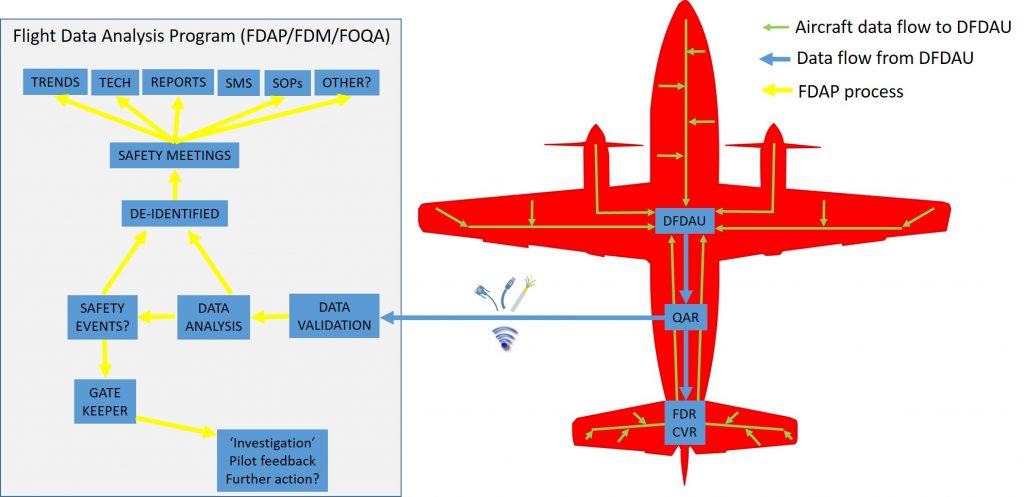
Establishment of Flight Data Analysis Program (FDAP)
FDAF is currently required for all aircraft above 27 Tonnes MTOW. Clearly this will include most large passenger aircraft, currently called RPT but with the introduction of CASR Part 119, will include rotorcraft operations greater than 7 Tonne MTOW.
Establishment of FDAP will require;
- Aircraft fitment of equipment (DFDAU, QAR, FDR, CVR)
- Establishment of an FDAP management team
- Writing of FDAP protocol document
- Appointment of Gatekeepers
- Use of FDAP analysis tools (eg Austin Digital, POLARIS)
- Establish safety meetings to utilise Flight Data information