
ALE SMS

World best practice is Safety Management System (SMS) based on the the International Civil Aviation Organisation (ICAO) model and structure.
It has been adopted by all aviation organisations and by the oil and gas industry, particularly for off-shore operations.
Culture and Human Factors are key to success of SMS. ALE considers both to be an asset in the implementation and operation of SMS
SMS has been evolving since the 1980s and a recognition that organisations safety was far more critical than individuals – who would inevitably make mistakes.
As a High Reliability Organisation ALE plans to adopt SMS practices for both compliance and commercial reasons.
Safety Fundamentals

Safety has numerous technical definitions. However in simplistic terms it is the protection from harm for both individuals and the organisation they work for:
- Safety has been evolving since WW2
- Aviation and Oil and Gas have lead the way
- ALE are a High Reliability Organisation
- Deliberate Actions to achieve predictable results
- Look for Low Frequency – High Consequence events
- Maintain a sense of ‘Chronic Unease’
- Look for Single points of failure
- Strive for Just Culture
ICAO (and ALE) SMS Structure
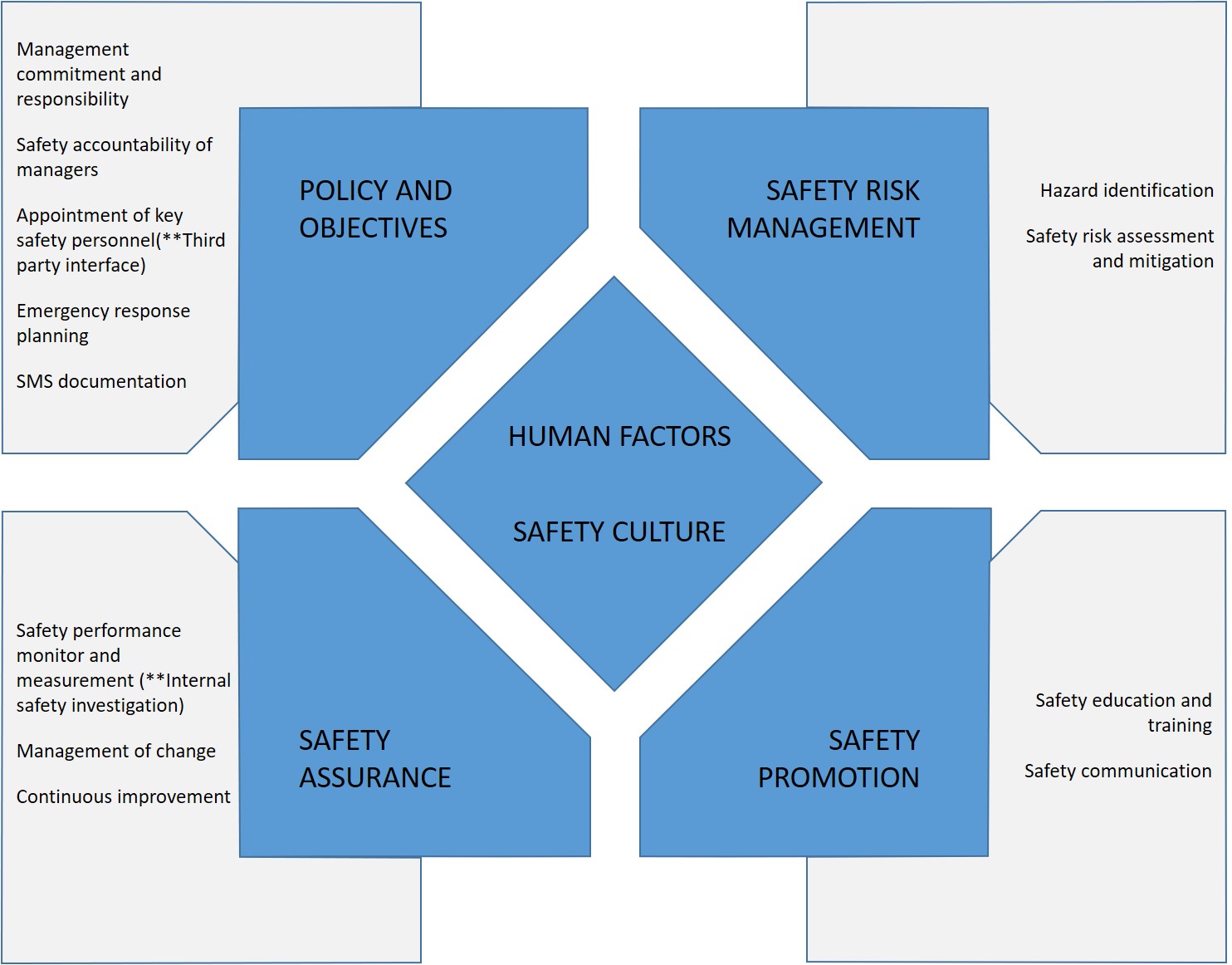
ICAO SMS Structure
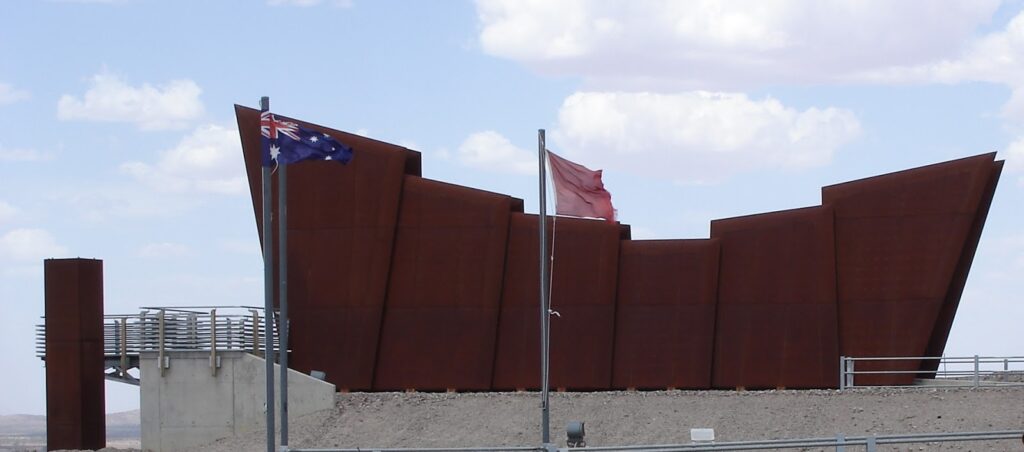

Safety Culture
Safety Culture is the environment in which personnel operate. It will define the success or failure of an operation. Safety Culture success is dependent on the following:
- The Human Factors skillset of the persons employed
- Management commitment to the SMS
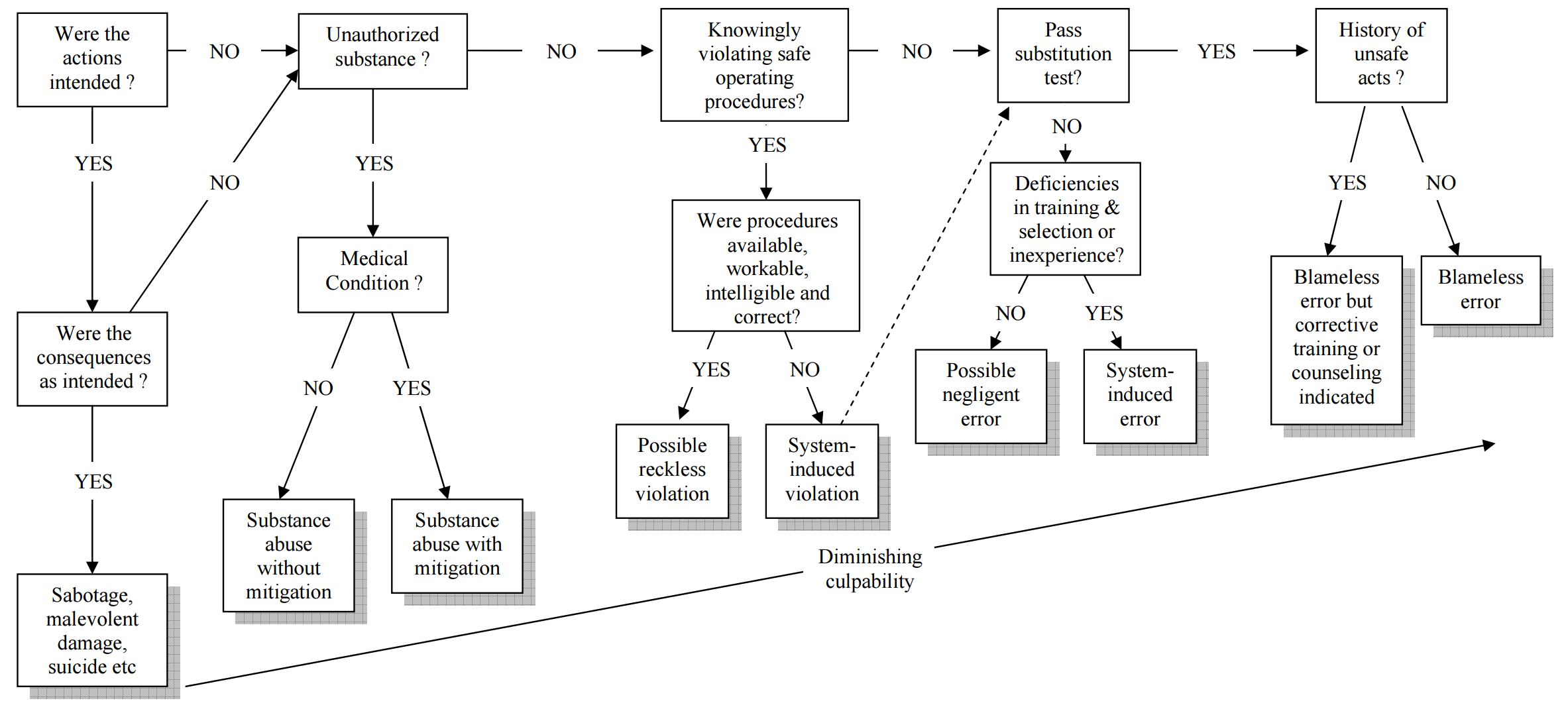
- The adoption of Just Culture by both management and employees
- Blame is apportioned using guidelines such as James Reason Culpability Matrix
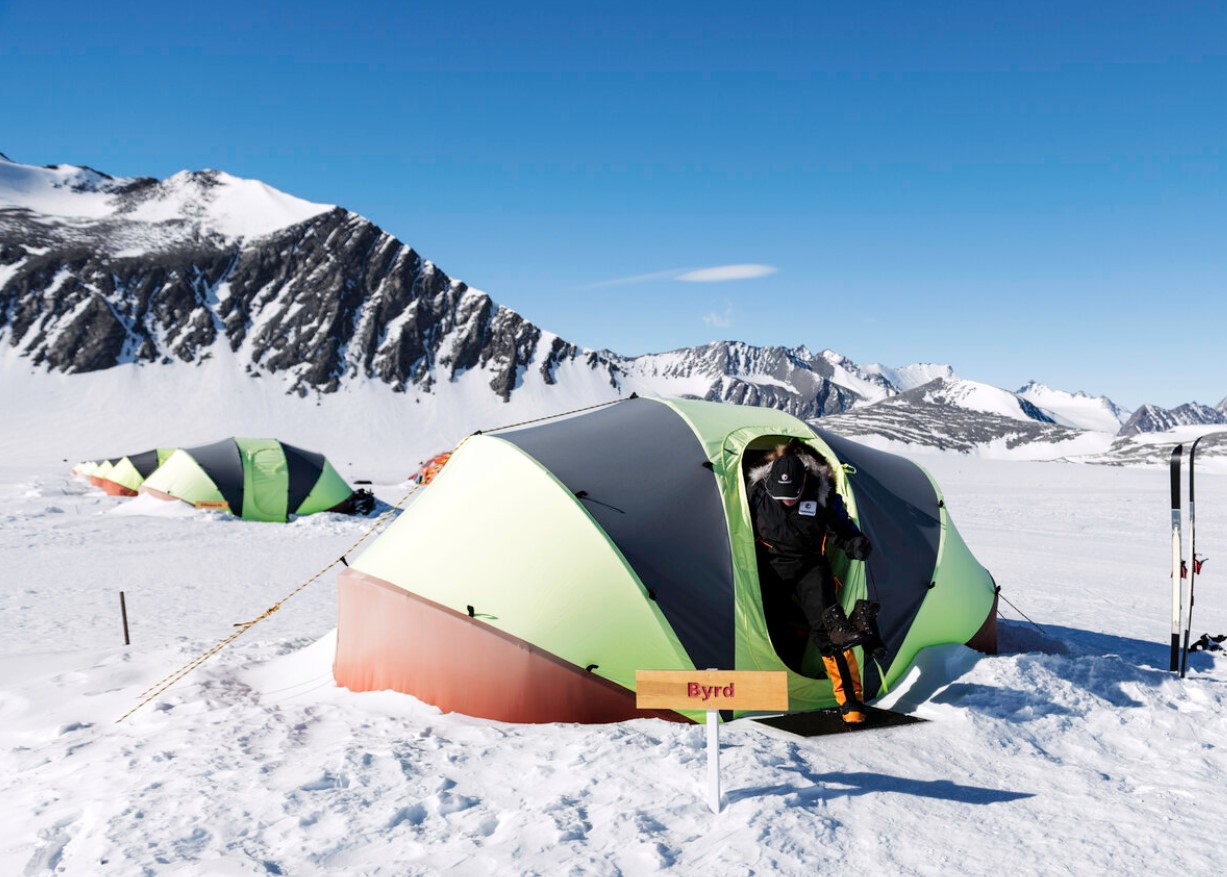
A tale of two cultures


Human Factors

Human Factors are the skillset people need to most effectively operate in an SMS. These are:
- Communication
- Leadership (and ‘followship’)
- Teamwork
- Stress
- Fatigue
- Alcohol and Other Drugs
- Situational Awareness
- Decision making
- ‘Airmanship’ (or ‘ALEmanship’)
- Threat and Error Management
- …(others – this is not an exhaustive list).
SMS Components and Elements
SMS consists of four Components:
- Policy and Objectives – the ‘Admin’ component of SMS
- Safety Risk Management – the ‘Forward looking’ component which considered what could cause organisational harm
- Safety Assurance – the ‘Backward looking’ component that reviews performance and seeks to set a cycle of continuous improvement
- Safety Promotion – the component that teaches personnel and communicates all SMS information
Safety Leadership

When considering Safety Leadership:
- Every person is a Safety Leader in some way
- Leadership vs Management?
- Competence vs Confidence
- Leadership Traits and Principles
- Leadership – Process – Culture
- Verifiable Compliance of an SMS is achieved when safety leadership is embedded or evolving in an organisation
Reporting
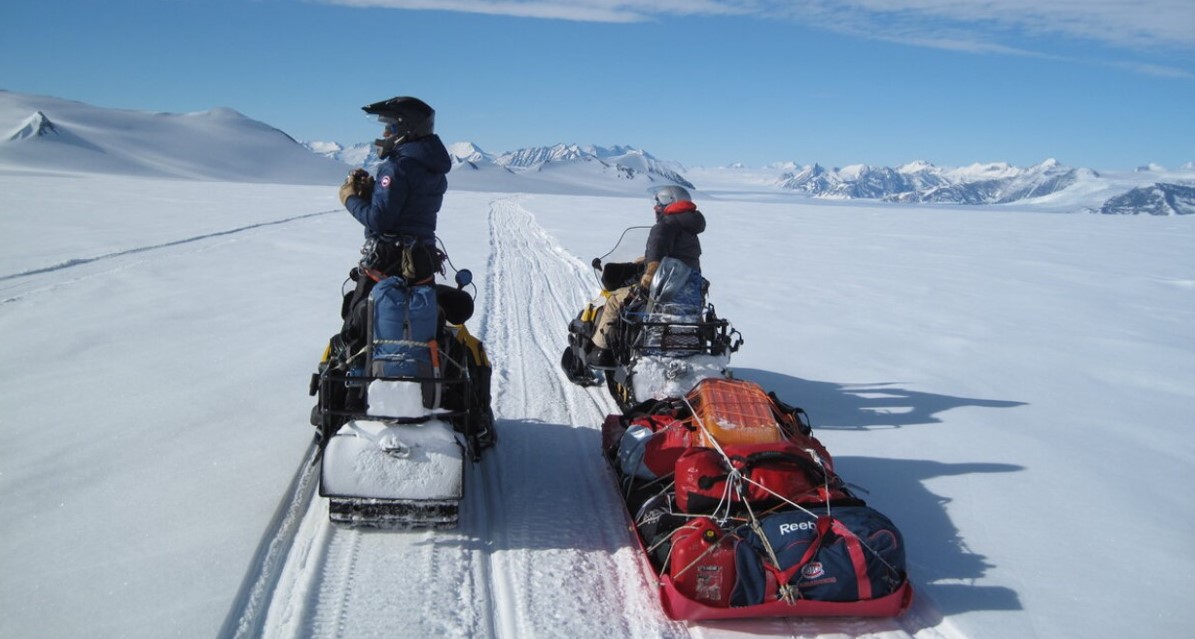
The most effective way to understand the health of an organisation is to observe how personnel let management know when operations are not normal:
- Reporting is the result of Just Culture
- Reporting gives Data
- Data leads to a generative safety culture
- ‘Should I report this…?’
- Reporting system is confidential if required
- BSE Cards help to build anonymous trends
- Staff surveys, feedback, post season reports, analysis of reports and incidents
ALE SMS Manual
The SMS Manual is the summation of all ALE safety practices. It seeks to integrate with all other ALE documentation. The SMS Manual:
- Provides guidance on the SMS
- Outlines how each element and the SMS will be achieved
- Describes the need for Just Culture for the SMS to succeed
- Collates previously standalone documents
- Is reviewed annually
- Master copy saved on Sharepoint
- Printed versions are kept at
- Comms
- Ops
- Mech
- Hotel
- Medical
- Field Guides
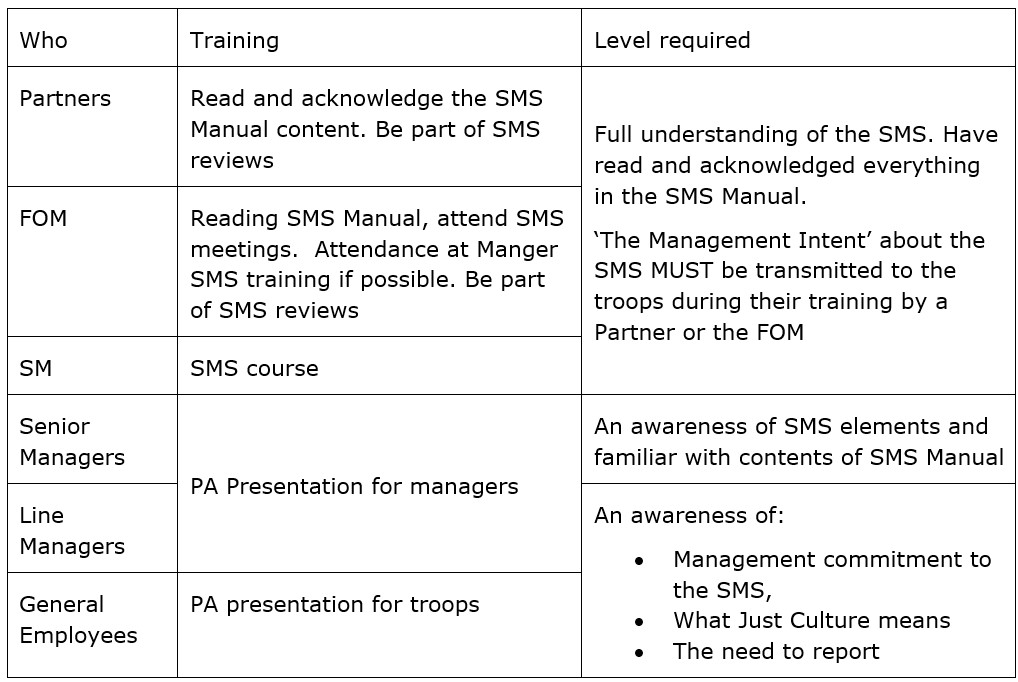
ALE SMS Training requirements
Season 2026/27
What we achieved last year
- More reporting
- Quality reporting
- Awareness
- Some safety meetings
- Some safety briefings
- Just culture introduction
What we want to achieve this year
- Continue to increase quantity and quality of reporting
- Better analysis of reporting
- Safety Briefings
- Regular department safety meetings
- More formalized and standardised risk management plans
- Introduce Task Briefings, Take-5s and BSE cards