
Element 2.1
2.1 Hazard Identification
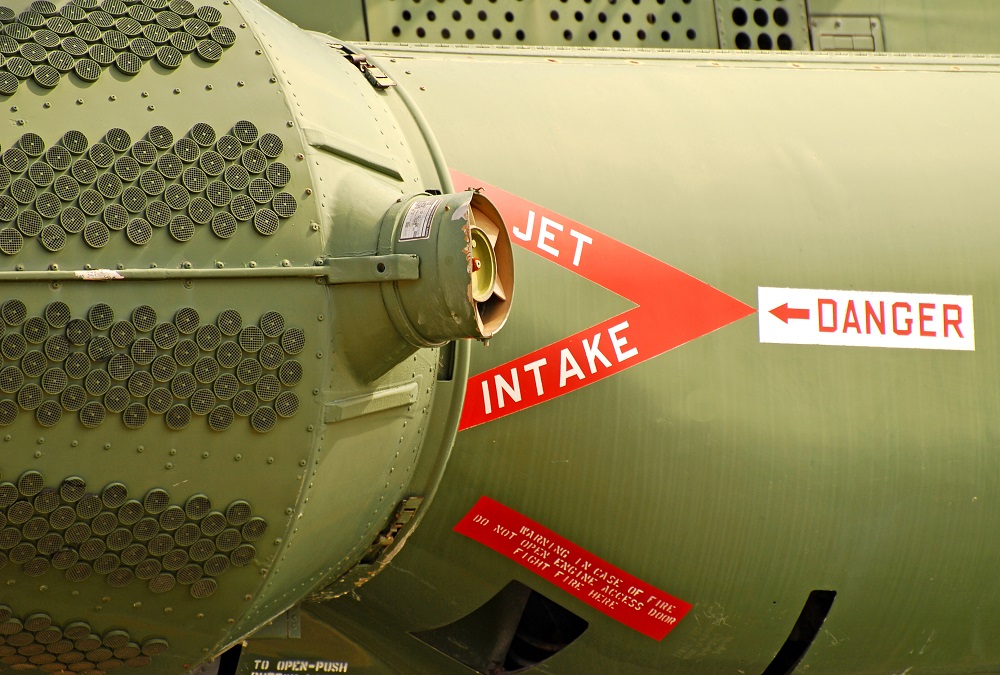
An Aviation Hazard is a condition or an object with the potential to cause or contribute to an aircraft incident or accident.
From Annex 19, 2nd Edition, July 2016

The steps that need to be taken are:
- Reactively identify hazards
- Proactively consider potential hazards
- Consider the existing controls
- Prioritise controls for treatment
The assessment of the hazard (risk management of it) and the controls and mitigation make up the second element of this component.
Hazard identification process
Key to the hazard identification process is widespread communication and consultation. All stakeholders, both internal and external, should be able to participate in the process.
There are many forums and resources to identify hazards including:
- Brainstorming – getting groups together in the workplace to nominate hazards
- Formal review of standards, procedures and systems
- Staff surveys and questionnaires
- Critically reviewing operations
- Hazard and incident reports
- ‘War-gaming’ risk scenarios
- Trend analysis
- State investigations of incidents and accidents (ATSB reports and investigations or the National Occurance Database)
- Collaboration with similar operations
- Flight Data Analysis Programs.
State regulators of SMS seek to identify State Safety Program risks. For example:
- CASA Sector risk profiles
- CAA UK Significant seven
- CAA NZ Sector Risk Profiles
 Identified hazards should be documented in a hazard register. As the SMS matures, ‘Hot-Spots’ can be identified from the database and hazard register. Larger organisations with more complex or diverse activity may group hazards into individual aspects of operations.
It is important to note that a potential hazard is not necessarily only a physical thing, it can also be a process, procedure or practice. Examples of each are listed below.
| Physical hazard | Process hazard | Procedural hazard | Practice hazard |
|---|---|---|---|
| Flammable substance stored near ignition source | No independent check of cargo storage in SOPs | Regular missing of pilot currency signing | Using non-standard tools as a work-around |
| Deteriorating boundary fence at remote airfield | Part number documentation missing | Supervisory LAME not fatigue trained | Taxi speeds too high at foreign airfields |
| Inadequate handrails on elevated work platform | Rest facility at regional base inadequate | Training records not audited regularly | Second officer only does the pre-flight walk around |
Reactive Hazards are those that are identified by experience or by identifying the potential to cause harm in the workplace.
For example, an oil drum that is leaking on the hanger floor clearly has potential for a person to slip on, even if it has not yet occurred.
Proactive Hazards are identified by considering normal operations and asking critically what could go wrong.
Continuing the previous example: It is identified that the current means of transporting oil drums using not fit for purpose equipment could result in damage to the drum and a potential leak.
Predictive Hazards are found by using data to identify negative safety trends. This requires analysis of safety databases.
Continuing: The number of oil leak reports and the analysis of how the leaks occurred with regard to transport, results in a modification in how all dangerous fluids are transported and placed in location.